
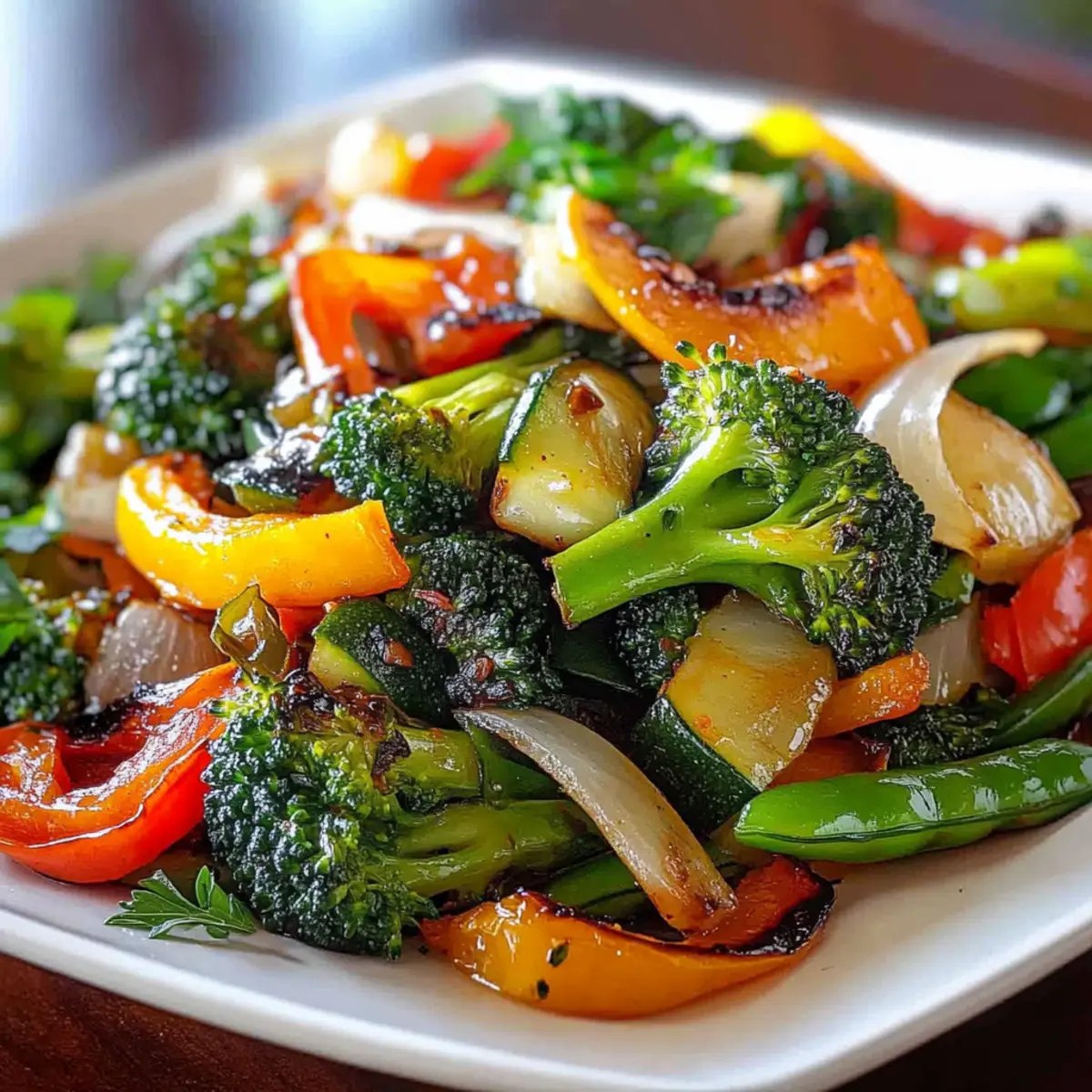
As the sizzle of olive oil warms my kitchen, a colorful medley of fresh vegetables begins to dance in the pan. This recipe for Healthy Sautéed Vegetables transforms everyday produce into a vibrant, nutritious side dish that can elevate any meal. What’s more, it’s a breeze to whip up—perfect for those busy weeknights when you crave something wholesome yet quick. You’ll find endless possibilities with this sauté: add a pop of Asian flair or embrace a Mediterranean twist, making it the ultimate versatile companion to your favorite proteins. With each crispy bite, you’ll celebrate a delightful blend of textures and flavors while filling your plate with health. Ready to spice up your dinner routine? Let’s dive into this fresh and fun recipe together!
Why You’ll Love Healthy Sautéed Vegetables
Vibrant colors: This dish transforms the ordinary into extraordinary with a rainbow of fresh vegetables that brighten any plate.
Quick and easy: Sautéing vegetables takes minimal time, making this a perfect choice for your weeknight meals.
Versatile options: Change up the flavors with various seasoning ideas, from Asian-inspired soy sauce to sunny Mediterranean herbs.
Health boost: Packed with nutrients and antioxidants, this recipe is a fantastic way to elevate your vegetable intake effortlessly.
Meal prep friendly: Make a big batch and enjoy leftovers throughout the week, or store pre-chopped veggies for a speedy preparation.
Whether you’re pairing with grilled chicken or adding to a hearty grain bowl, this recipe is bound to impress! Try it alongside our delicious Healthy Broccoli Pasta for a complete meal.
Healthy Sautéed Vegetables Ingredients
• For the Base
- Olive Oil (or Avocado Oil/Butter) – A rich cooking medium; choose oils with a high smoke point for optimal sautéing.
• For Flavor
- Garlic – An aromatic ingredient that enhances flavor; use fresh minced garlic for the greatest impact.
- Onion – Provides sweetness and complexity; slicing thinly expedites the cooking process.
• For the Veggies
- Bell Pepper – Adds a crunchy texture and vibrant color; mix varieties for a stunning presentation.
- Zucchini – Light and tender, it brings volume to the dish; can easily be swapped with summer or yellow squash.
- Broccoli Florets – A nutritious option that adds a delightful crunch; consider including sliced broccoli stems for extra texture.
- Carrot – Sweet and crunchy, it adds a pleasing hue; shredded carrots can be used as a quick alternative.
- Snap Peas – Crisp and sweet with a refreshing bite; feel free to substitute with green beans if needed.
- Mushrooms – Earthy and umami-rich, they elevate the dish; any type such as button or shiitake works wonderfully.
• For Seasoning
- Salt and Black Pepper – Essential seasonings that enhance flavor; adjust to your personal taste.
- Lemon Juice (optional) – Brightens flavors beautifully; fresh juice is always best.
- Balsamic Vinegar or Soy Sauce (optional) – Infuses a sweet or savory depth into the dish; perfect for flavor variation.
• For Optional Toppings
- Toasted Nuts – For a satisfying crunch, sprinkle on top; almonds or pine nuts work great.
- Fresh Herbs – Enhance freshness with vibrant herbs like parsley or basil.
- Grated Parmesan (optional) – Adds richness; use for an indulgent finish.
This collection of ingredients for Healthy Sautéed Vegetables sets the stage for a quick side dish that is not just delicious but also bursting with color and nutrients—a wonderful addition to your culinary repertoire!
Step‑by‑Step Instructions for Healthy Sautéed Vegetables
Step 1: Prep Vegetables
Start by washing, peeling, and chopping all your vegetables into uniform pieces to ensure even cooking. Aim for about 1-inch chunks for heartier veggies like carrots and broccoli, while slicing softer vegetables like zucchini and bell peppers thinner. This preparation will make the cooking process smoother and faster, helping your sautéed vegetables cook perfectly.
Step 2: Heat Pan
Place a large skillet or sauté pan over medium-high heat and let it warm up for about 2 minutes. Once the skillet is hot, pour in a couple of tablespoons of olive oil, swirling it around to coat the bottom. You’ll know the oil is ready when it shimmers and is just starting to smoke slightly, signaling that it’s perfect for sautéing your vegetables.
Step 3: Cook Aromatics
Add minced garlic and sliced onions to the hot oil and sauté for 1-2 minutes. Stir frequently to prevent burning, allowing them to soften and become fragrant. The onion should turn translucent, and the garlic will release a delightful aroma, which sets the flavor foundation for your healthy sautéed vegetables.
Step 4: Add Harder Vegetables
Introduce the chopped carrots and broccoli to the skillet, cooking for about 3-4 minutes while stirring often. This step allows the denser vegetables to begin cooking through and develop a nice, vibrant color. You’ll want them to be tender but still slightly crisp, a perfect texture to complement the rest of your sautéed vegetables.
Step 5: Add Softer Vegetables
Now it’s time to add the bell peppers, zucchini, mushrooms, and snap peas to the pan. Sauté these for an additional 4-5 minutes, stirring occasionally. Ideally, the vegetables should become tender yet retain a crispness, creating a colorful mix of vibrant produce that’s visually appealing and delicious in your healthy sautéed vegetables dish.
Step 6: Season & Finish
Season your dish generously with salt and black pepper, adjusting to taste. Finally, if you like, drizzle in some lemon juice or balsamic vinegar for an extra zing of flavor. Toss everything well in the skillet to ensure even seasoning, and serve your healthy sautéed vegetables immediately while they’re warm and vibrant, perfect as a nutritious side!
Make Ahead Options
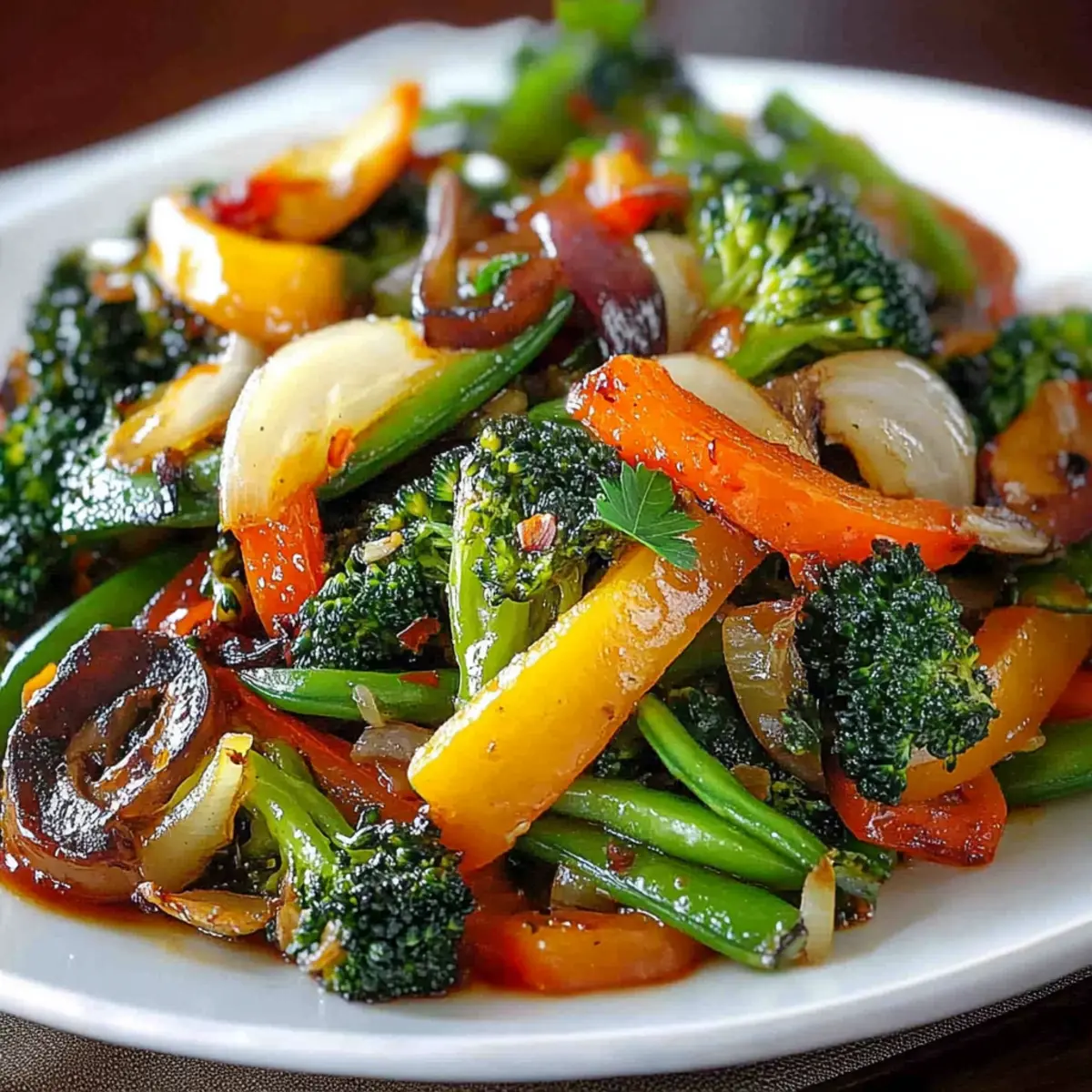
These Healthy Sautéed Vegetables are perfect for meal prep enthusiasts! You can chop and store your vegetables in airtight containers for up to 3 days in the refrigerator, which not only saves time but also ensures easy access to a nutritious side dish. To maintain their quality, keep harder vegetables like carrots and broccoli separate from softer ones like zucchini and mushrooms, preventing any sogginess. When you’re ready to cook, simply heat your skillet, sauté the aromatics, and add your prepped veggies, cooking them until crisp-tender. You’ll enjoy the satisfaction of a delicious, home-cooked vegetable medley with minimal effort on busy weeknights!
Expert Tips for Healthy Sautéed Vegetables
- Don’t Overcrowd: Avoid overcrowding the pan to prevent steaming; work in batches if necessary for better texture.
- Hot Pan Essential: Ensure the skillet is hot before adding vegetables; this maximizes caramelization and keeps them crisp-tender.
- Uniform Chopping: Chop all vegetables into similar sizes to encourage even cooking, resulting in perfectly sautéed vegetables.
- Seasonal Choices: Feel free to experiment with seasonal vegetables for added nutrition and variety in your healthy sautéed vegetables.
- Protein Boost: Include pre-cooked proteins like chicken, shrimp, or tofu to create a more filling, complete meal option.
Healthy Sautéed Vegetables Variations
Get ready to unleash your culinary creativity and personalize this delightful sauté with these exciting twists!
-
Asian-Inspired: Add soy sauce and a drizzle of sesame oil, finishing with sesame seeds for a nutty crunch.
Try tossing in some sliced green onions or a sprinkle of fried garlic for extra flavor dimensions that mimic your favorite takeout dishes. -
Spicy Kick: Introduce crushed red pepper flakes or a dash of your favorite hot sauce for a warming heat.
Elemental spices can ignite the flavor, making your vegetables pop with excitement! This variation is perfect for those who love a bit of zest. -
Mediterranean Twist: Use extra virgin olive oil, lemon zest, and fresh herbs like oregano or basil to capture the essence of the Mediterranean.
You might even add olives or artichokes for a more flavorful journey through the sun-kissed flavors of these regions. -
Nut-Topped: Finish your dish with a generous sprinkle of toasted almonds or pine nuts for an added crunch.
These nuts bring not only flavor but texture that harmonizes beautifully with the tender sautéed vegetables, elevating the overall dish. -
Herbaceous Delight: Replace or mix up seasonings with a variety of fresh herbs like thyme, dill, or cilantro for a refreshing twist.
These herbs can offer bright, zesty notes that take your vegetable dish to the next level, enhancing freshness with every bite. -
Cheesy Variation: Toss in a handful of grated Parmesan or crumbled feta cheese for a rich, savory finish.
The creaminess from the cheese can create a mouthwatering balance against the crispness of the sautéed veggies, making it taste indulgently good. -
Curry-Infused: Use coconut oil and sprinkle curry powder to create an exotic, fragrant dish that dances on the palate.
Pairing sautéed vegetables with fragrant spices like cumin or turmeric can build a warm, savory character, making dinner feel like a flavorful escape. -
Roasted Garlic: Instead of sautéing fresh garlic, try using roasted garlic for a sweeter, mellow flavor.
This subtle change can add a lovely depth to your sauté, presenting a delightful twist that tickles the taste buds.
Feel free to experiment and combine these ideas! For additional meal inspiration, our Healthy Broccoli Pasta pairs beautifully with these vegetable sides, while our Green Goddess Salad rounds out the meal perfectly!
What to Serve with Quick & Colorful Healthy Sautéed Vegetables
Elevate your meal with delightful companions that enhance the flavors and textures of your colorful sautéed veggies!
-
Creamy Mashed Potatoes: The buttery richness rounds out the crisp-tender veggies, creating a comforting dish that feels indulgent. Perfect for mopping up any delicious sauces!
-
Grilled Chicken: A lean protein option that pairs beautifully with the vibrant medley, its smoky flavor complements the freshness of the sautéed vegetables perfectly.
-
Quinoa Salad: The nutty flavor and chewy texture of quinoa offer a wholesome base, allowing the sautéed veggies to shine through while adding a nutritious punch.
-
Lemon-Pepper Salmon: The zesty notes of lemon enhance the freshness of your sautéed vegetables, keeping the meal light and flavorful without sacrificing taste.
-
Toasted Almonds: Add crunch and a rich, nutty flavor by topping your sautéed veggies with toasted almonds. They provide textural contrast and extra nutrition, making every bite exciting.
-
Fresh Herb Vinaigrette: Drizzle a bright vinaigrette over your sautéed vegetables for an added layer of flavor. The acidity enhances the dish, making it a delightful palate cleanser.
-
Rustic Baguette: Serve alongside crusty, fresh bread to soak up any drippings or juices from the vegetables, bringing a satisfying heartiness to complement the lighter dish.
-
Fruit Sorbet: For dessert, a refreshing fruit sorbet cleanses the palate and echoes the bright flavor of your meal, leaving you with a sweet finish that doesn’t weigh you down.
Each pairing enhances the experience, allowing you to delight in an array of tastes while enjoying your healthy sautéed vegetables!
How to Store and Freeze Healthy Sautéed Vegetables
Fridge: Store leftovers in an airtight container in the fridge for up to 3-4 days. Reheat in a skillet over medium heat to restore their crisp-tender texture.
Freezer: For longer storage, freeze your healthy sautéed vegetables in a freezer-safe bag or container for up to 3 months. Portion out for easy meal prep!
Reheating: To reheat, simply thaw in the fridge overnight and warm in a skillet. Add a splash of olive oil to help regain their vibrant flavor and crunch.
Make-Ahead: Consider prepping your vegetables in advance by chopping and storing them in airtight containers, ready for a quick cook during busy days.
Healthy Sautéed Vegetables Recipe FAQs
What vegetables should I use for sautéing?
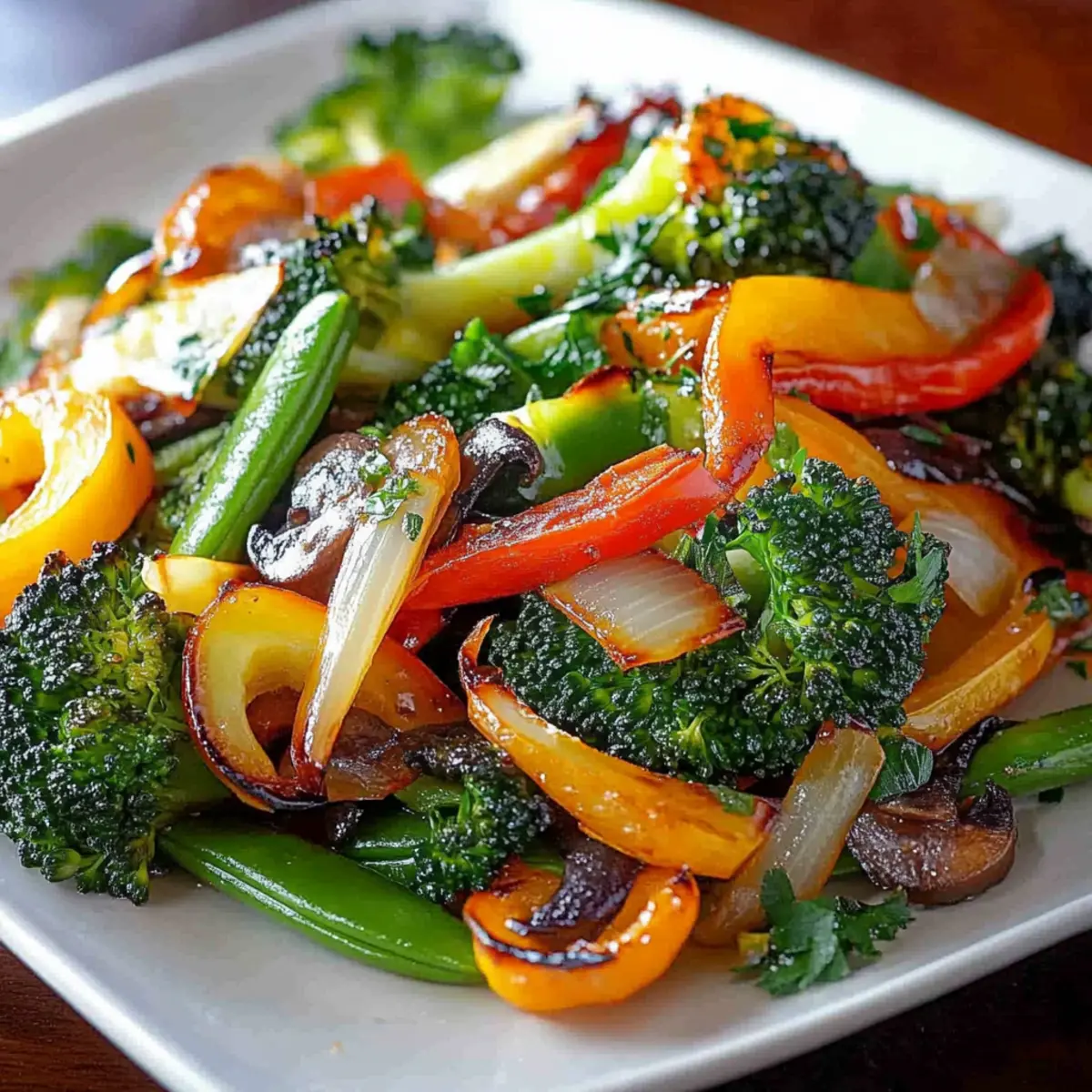
Absolutely! You can use a variety of vegetables for sautéing. I recommend bell peppers, zucchini, broccoli, carrots, snap peas, and mushrooms for a delightful mix. Feel free to substitute based on what’s in season or what you have on hand. Aim for a mix of colors and textures to ensure a vibrant dish!
How should I store leftover sautéed vegetables?
To keep your leftovers fresh, store them in an airtight container in the fridge for up to 3-4 days. I often reheat them in a skillet to regain their crisp-tender texture, which keeps them enjoyable on the second day. Add a splash of olive oil as you reheat for extra flavor!
Can I freeze sautéed vegetables?
Yes, you can! For storage, let the sautéed vegetables cool completely, then transfer them to a freezer-safe bag or container. They’ll keep well for up to 3 months. When you’re ready to enjoy them, simply thaw in the fridge overnight and reheat in a skillet for the best taste.
Why are my sautéed vegetables soggy?
The key to preventing sogginess is avoiding overcrowding the pan. When the vegetables are packed tightly, they steam instead of sautéing. I recommend cooking in smaller batches to ensure each piece develops that perfect crisp-tender texture. Also, make sure your pan is hot before adding the veggies!
Can I add protein to my sautéed vegetables?
Very! You can easily turn your sautéed vegetables into a full meal by adding pre-cooked proteins like chicken, shrimp, or tofu. Just toss them in towards the end of cooking to heat through without overcooking your veggies. This is a great way to enjoy a balanced dish!
Are sautéed vegetables suitable for a vegan diet?
Yes, indeed! This dish is naturally vegan and can be tailored to fit a variety of dietary preferences. Substitute butter with plant-based oils like olive or avocado oil, and you can skip any cheese toppings to keep it completely dairy-free. Enjoy the nourishing flavors without compromise!
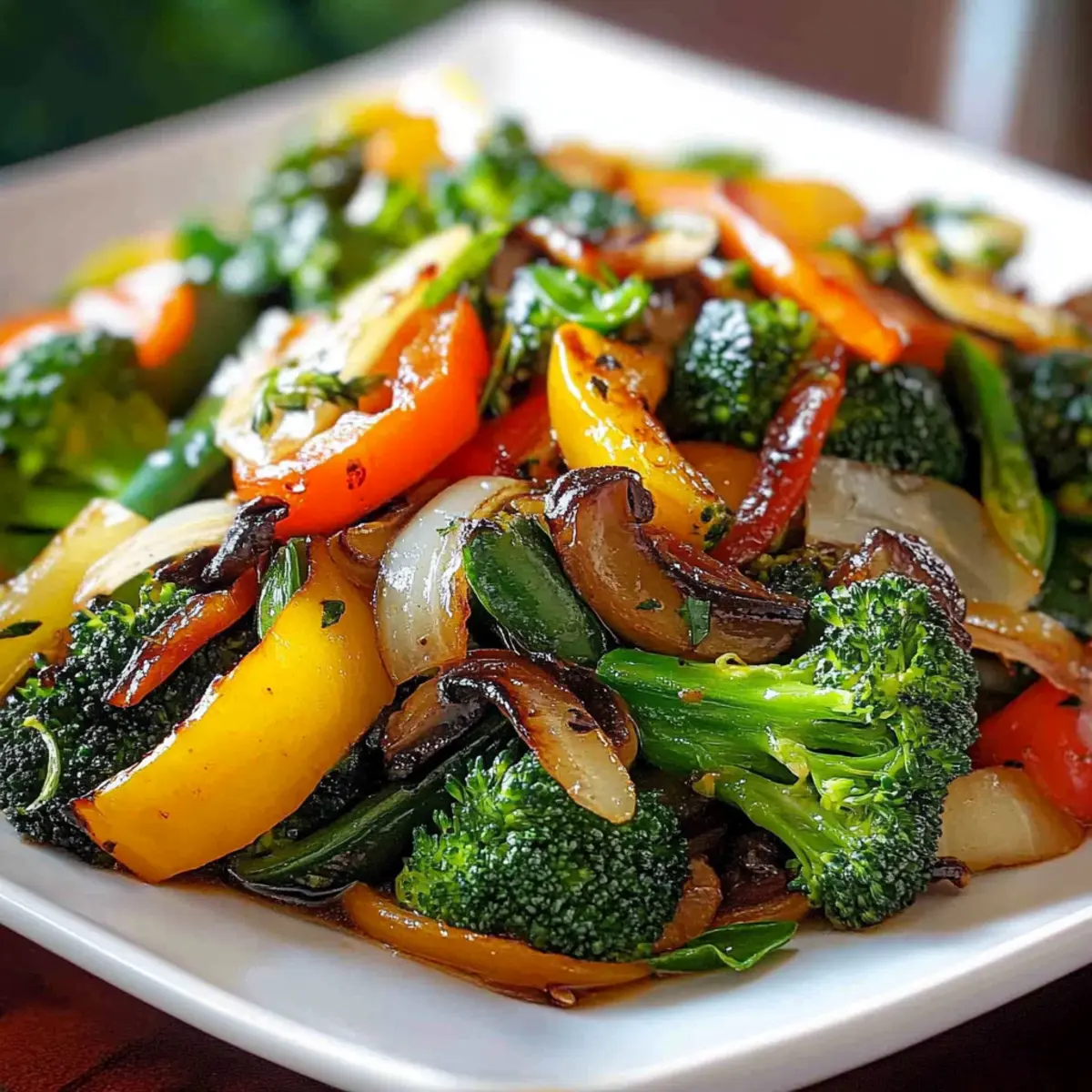
Colorful Healthy Sautéed Vegetables for a Quick, Nutritious Boost
Ingredients
Equipment
Method
- Prep your vegetables by washing, peeling, and chopping all into uniform pieces for even cooking.
- Heat a large skillet over medium-high heat for about 2 minutes. Add olive oil once hot.
- Cook minced garlic and sliced onions in the hot oil for 1-2 minutes until soft and fragrant.
- Add chopped carrots and broccoli, cooking for 3-4 minutes until they begin to become tender.
- Add bell peppers, zucchini, mushrooms, and snap peas, sautéing for 4-5 minutes until all veggies are tender yet crisp.
- Season with salt and black pepper, and add lemon juice or balsamic vinegar, tossing well to combine.
Leave a Reply